Why a Dutch account is (almost) essential
You can live a few weeks on your home-country account, but a Dutch IBAN quickly becomes necessary to:
- receive your salary (many employers prefer a local account);
- pay the rent and direct debits (energy, health insurance, subscriptions);
- use iDEAL, the ubiquitous online payment system in the Netherlands, which requires a local account.
The role of the BSN and the address
Most traditional banks ask for your BSN and proof of a Dutch address to open an account. Hence the common vicious circle: no account without a BSN, no BSN without a registered home.
Two ways to break the deadlock:
- Go through a neobank (see below) that opens an account before the BSN;
- First secure a home that allows the inschrijving, register, obtain the BSN, then open the account. That's the sequence detailed in our BSN and inschrijving guide.
Which bank to choose?
Traditional banks (branches, full services):
- ING — the most popular, English interface, wide network.
- ABN AMRO — offers dedicated to expats, support in English.
- Rabobank — solid, well established.
They offer the whole local ecosystem (iDEAL, a mortgage later) but generally require BSN + address.
Neobanks / quick accounts (online opening, often without an immediate NL address):
- bunq — a Dutch neobank, NL IBAN, quick opening from the app.
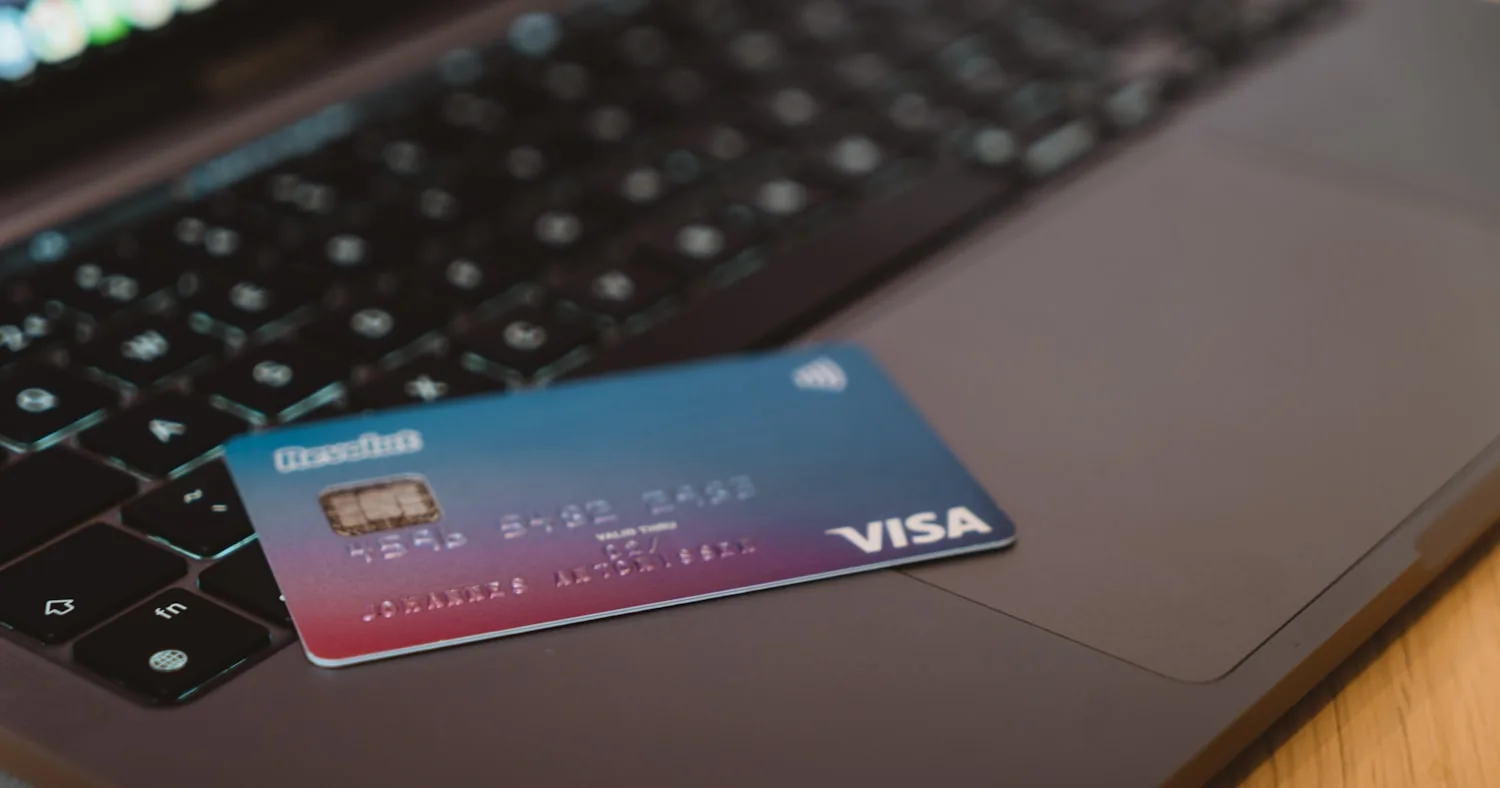
- Revolut / N26 — handy in transition, but the IBAN isn't always Dutch (some employers or landlords prefer an NL IBAN).
Tip: a neobank like bunq can act as a bridge on arrival, then you open a traditional account once you have the BSN.
The documents to prepare
- Valid ID (passport or national ID card)
- BSN (for traditional banks)
- Proof of a Dutch address / inschrijving confirmation
- Sometimes an employment contract
The link with your housing search
Everything is connected: without a registered home, no BSN and no traditional account; without an account, it's hard to pay the rent and direct debits. Securing a home with inschrijving first unlocks the whole administrative chain.
Want to handle the steps without getting stuck? Book a free discovery call: we'll secure your home (with inschrijving) so the BSN, bank and insurance follow without a hitch.
In summary
To open a bank account in the Netherlands: plan for BSN + proof of address for a traditional bank (ING, ABN AMRO), or start with a neobank (bunq) in the meantime. And remember: it all starts with the registered home, the first link to secure.